We all know about it but some of us hate talking about it because of how serious this issue is becoming. 
Types of Diabetes
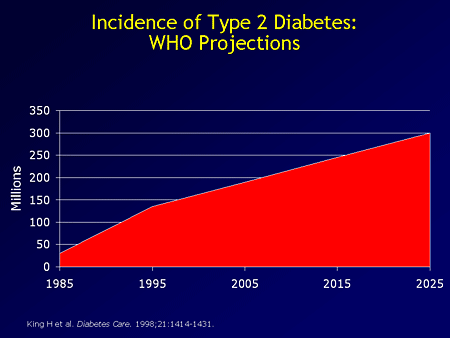
We all know about diabetes and are probably tired of hearing about it, but many people are uninformed about what diabetes actually is. This is a growing epidemic that needs more attention. Most of us know there are two different types of diabetes, type 1 and type 2, both have a different cause and effect on the body. The main difference between type 1 and type 2 diabetes is the fact that individuals with type 1 diabetes simply don’t produce insulin naturally in their body, and those with type 2 diabetes do in fact produce insulin but their body doesn’t respond well to is. So to break things down and make this a little easier to understand I will talk about the two separately.
Type 1 Diabetes
- The cause of type 1 has to do with the body (the immune system in particular) mistakes the insulin-producing beta cells (made by the pancreas) by attacking and even destroying these very vital and important cells to the human body. This classifies type 1 diabetes as an autoimmune disease. When these beta cells are damaged they are no longer able to produce insulin, which is a hormone needed by the body to maintain healthy levels of glucose in the blood (80-120 mg/dL). What are the risk factors for type 1 diabetes? Family history is the one of the biggest contenders, age (can appear at any age but most common in children), genetics, and your distance away from the equator is also seen as a risk for diabetes. Type 1 CANNOT be prevented.
Type 2 Diabetes
- The cause of type 2 is caused by an insulin resistance, meaning the body produces insulin but doesn’t know how to properly use it and maintain healthy levels of blood glucose levels. Research still hasn’t proven why some people become inulin resistant but it is believed that an unhealthy lifestyle is a major contributor. Some risks for type 2 diabetes include: being overweight/obese, having an immediate family member with type 2 diabetes, <45 years old, being physically inactive, for women if they have ever had gestational diabetes, being of African-American, Hispanic, Latino American, American Indian, or Alaska Native ethnicities, a significant amount of belly fat. Ways to avoid getting type 2 diabetes, maintain a healthy weight, increase activity levels.
Symptoms and Complications
Thinking you may have diabetes or maybe you just got diagnosed with it, here are some things you should be on the look for.
Symptoms
- Increased thirst, frequent urination, extreme hunger, unexplained weight loss, fatigue, irritability, blurred vision, slow-healing sores, frequent infections (such as gums, skin infections, and vaginal infections), and for lab work presence of ketones in the urine.
Complications
- Cardiovascular disease and issues- increased risk of various cardiovascular problems (pertaining to the heart) including angina (chest pain), coronary artery disease, heart attack, stroke, atherosclerosis (narrowing of arteries) which can be extremely dangerous and can lead to hypertension.
- Neuropathy (nerve damage)- excess sugar can injure the walls of tiny blood vessels (capillaries), and their job is to bring nourishment to the nerves. The area that is most affected by this are the capillaries in the legs. If this happens the pt can experience tingling, burning, pain, and numbness in usually starting at the very end of the capillaries, which would be the toes or the fingertips and if not caught or treated early enough can then spread upward. Sometimes this can result in an amputation of toes, fingers, maybe even the whole food depending on how bad the nerve damage is.
- When this issue goes too long without medical attention the damaged nerves will start to cause other issues throughout the entire body such as N+V, diarrhea, or constipation. For men this may cause erectile dysfunction.
- Nephropathy (kidney damage)- the kidneys are such a vital part to a healthy and comfortable lifestyle, if there is a problem in the kidneys this can lead to so many other different complications on its own. The kidneys are a very vascular part of the body (lots of blood vessels) and their purpose is to filter out waste from your blood and excrete it out of the body in the form of urine. Diabetes can damage this filtering system. Severe damage can cause kidney failure or even end-stage kidney disease, which is irreversible. When something like this happens a pt may require dialysis (which is a very tedious and time consuming treatment) or even a kidney transplant.
- Retinopathy (eye damage)- the retina in the eye is another very vascular area of the body that can be damaged with diabetes, this can cause serious vision issues like glaucoma and even complete loss of vision (blindness).
- Skin problems- with the trend of vascular damage continuing your skin is the largest organ in your body and requires a lot of vasculature to keep it healthy and able to protect you from pathogens and heal when you get even the smallest of cuts. When blood vessels are damaged your skin will have a very difficult time healing itself, meaning that even a simple paper cut could take a very long time to heal, this can cause a variety of different problems but the major one being that you will be more susceptible to infections which in turn could spread throughout the body if not treated in a timely manner.
There are many other complications that come with this disease but these are the most prominent and most severe. One thing to keep in mind is that diabetes is completely manageable when you have the right knowledge and tool/equipment. These scary complications of diabetes occur when you are not maintaining healthy blood sugar levels.

If you want to learn more about the complications of diabetes hopefully this website will give you some more insight, this does not only apply to kids but adults as well. https://kidshealth.org/en/teens/complications.html
Types and Use of Insulin
Sticking yourself with sharp needles my not be fun and maybe even scary for some but many people don’t realize that insulin is a necessary hormone of the body, that helps regulate blood sugar (glucose levels) in the blood.
What Happens When There Isn’t Enough Insulin in the Body?
- Insulin is used to help the body store excess glucose that comes from when a person consumes food. Glucose is a sugar that is broken down from the foods ingested. Glucose is the leading the energy source for cells, meaning they need this to preform their needed and daily functions. When insulin isn’t present or the body doesn’t know how to properly use it, there will be an excess of glucose floating around in the blood, this also means that cells cannot absorb and take in their main energy source. This is where the scary complications come from.
- Insulin can be seen as the key to open up cells to take in glucose so without the key they cells cant to do anything with glucose.
Types of Insulin
- There are multiple types of insulin each with its own advantages depending on what type of diabetic you are and what your lifestyle looks like.
- Rapid acting- this is usually taken before a meal to ensure that the blood glucose doesn’t elevate too much from the ingestion of food. Brand name: Humalog, Onset: 10 to 30 min., Peak time: 30 min. to 3 hours, Duration: 3 to 5 hours
- Short acting- taken about 30 min. before a meal again to cove the blood glucose elevation your body is about to deal with. Brand name: Regular (R) Onset: 30 min. to 1 hour, Peak time: 2 to 5 hours, Duration: up to 12 hours
- Intermediate acting NPH (N), Onset: 1.5 hours to 4 hours, Peak time: 4 to 12 hours, Duration: Up to 24 hours, usually taken twice a day
- Long-acting- Brand name: Lantus, Onset: 0.8 to 4 hours, Peak time: minimal peak, Duration: up to 24 hours usually taken once to twice daily.
Injection Sites
Now there are many different ways you can administer insulin there is the normal syringe and vial, insulin pens, and there are also pumps. Whichever you decide is best for you and they type of lifestyle you lead, you should always rotate your injection site, make sure to clean the skin before the injection, and ALWAYS use a new clean needle. For pumps in particular (recommended to change pump every 24-48 hours for metal needle and 48-72 hours for a soft canula). When picking where to place your pump you should go even the slightest bit away from a previous injection site, since your skin is exposed to the needle for a longer period of time.

Diabetes and Food
We are all tired of hearing eat healthy, eat heathy, eat healthy, but once you know that eating healthy and maintaining good activity levels can prevent you from getting diabetes and a multitude of other very serious complications, I hope that it will be more motivation.
I am NOT saying diabetics can’t consume these foods, but they should in particular be careful of what they are putting into their bodies. They should eat these foods with portion control and other foods they have eaten/ will eat throughout the rest of their day, in mind. Although these are great fast acting sugars for when someone is in a hypoglycemic state.
- Sugar-sweetened beverages- when a diabetic consumes these types of drinks not only are they loaded with carbs, but also with fructose, a sugar, that is strongly linked to insulin resistance, which is definitely something a diabetic does not need.
- White bread, pasta, and rice- these types of foods are known for their high carb content
- Sweetened cereals
- Flavored coffee drinks- these have an extreme amount of sugar and carbs
- Dried fruit- very high in carbs
- Highly processed foods like prepackaged snack foods
- Fruit juice
- Fried foods
Diets
- There is no specific diet that a diabetic should follow as they need to find what works best for them or it is likely they will be unable to maintain that diet.
- Having regular eating times will really help a diabetic in maintaining their blood sugar levels
- Recommended foods include: healthy carbs: fruits, veggies, whole grains, legumes (beans and peas), low-fad dairy products (milk and cheese) fiber rich: veggies, fruits, nuts. Good fats: avocados, nuts, canola, olive, and peanut oils.
There are many different online tools to help you set up a clean and healthier diet to make living with diabetes a little bit less stressful.
https://www.choosemyplate.gov/
https://www.healthline.com/nutrition/5-best-calorie-counters#section1
Bibliography
“Diabetes Diet: Create Your Healthy-Eating Plan.” Mayo Clinic, Mayo Foundation for Medical Education and Research, 19 Feb. 2019, www.mayoclinic.org/diseases- conditions/diabetes/in-depth/diabetes-diet/art-20044295.
“Diabetes.” Mayo Clinic, Mayo Foundation for Medical Education and Research, 8 Aug. 2018, http://www.mayoclinic.org/diseases-conditions/diabetes/symptoms-causes/syc-20371444.
“Glucose.” NeuroImage,
Academic Press, www.sciencedirect.com/topics/agricultural-and- biological-sciences/glucose.
Google Search, Google, www.google.com/search?q=diabetic feet&rlz=1C5CHFA_enUS727US731&source=lnms&tbm=isch&sa=X&ved=0ahUKEwi fwovFh_ngAhXp6IMKHSfTCRgQ_AUIDigB&biw=1220&bih=722#imgrc=pS6_p2mW QN8ywM:
Juang, Patricia S. “Table 7, Different Types of Insulin Pens – Endotext – NCBI Bookshelf.” Current Neurology and Neuroscience Reports., U.S. National Library of Medicine, 4 Sept. 2013, www.ncbi.nlm.nih.gov/books/NBK278942/table/treatment-t2- diab.pentypecom/.
Medicine, Mechanisms in. “The Role of Insulin in the Human Body.” YouTube, YouTube, 13 May 2011, http://www.youtube.com/watch?v=OYH1deu7-4E.
“When Should I Change an Infusion Set?” Diabetes Forecast, http://www.diabetesforecast.org/2014/Jan/when-should-i-change-an.html.
 Keys to Diabetes